Attack on Titan vs Chainsaw Man: Which Ending Divided Fans More?
Two recent finales that split their audiences, compared on what each was trying to do.
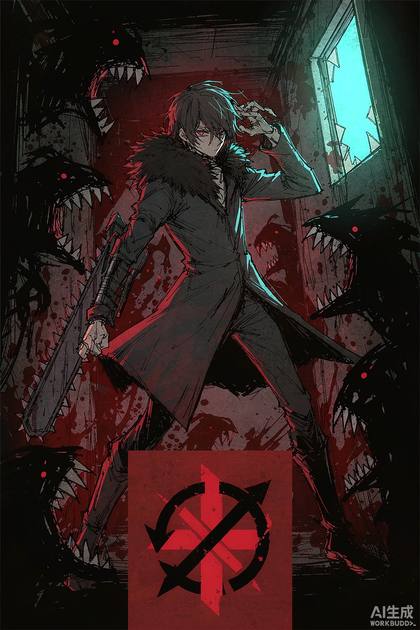
Few manga finales generate as much argument as Attack on Titan and Chainsaw Man, and both are now shorthand for manga endings that divided readers. Attack on Titan's ending was criticised for pacing and character motivation, though defenders argue its themes were always heading somewhere nihilistic.
Chainsaw Man Part 2 drew a different complaint: that the emotional core weakened when the cast expanded and the tone turned erratic. Supporters counter that this instability is intentional, and that Fujimoto is deliberately denying readers the catharsis they expect.
What both debates share is a gap between what readers wanted and what the author built. Neither ending is universally disliked, and both retain large defences.
Editorial Discussion
Ending backlash usually measures expectation rather than quality, and that is what happened twice here. Attack on Titan spent years building mystery, so any resolution would disappoint part of its audience; Chainsaw Man built its identity on subversion, so a conventional payoff was never on the table. Editorially, the useful move is telling readers what each finale attempts before they judge it. Both remain essential reading, but are better sold with a caveat than as crowd-pleasers.
Related reading
- Shangri-La Frontier: The Best Action Manga Worth Reading in 2027?
- Is The Return of the Disaster-Class Hero Worth Reading? Manhwa Review
- The Fragrant Flower Blooms with Dignity: Best Romance Manga of 2025?
- Regressor Instruction Manual: A Manhwa Similar to Solo Leveling?
- Centuria: The Best New Dark Fantasy Manga Worth Reading in 2026?
- I Love Yoo: A Webtoon Review With Trigger Warnings and Spoilers