You Think It's Easy Rewriting a Story? The Repetition Readers Hit
A reincarnated heiress fights a novel determined to marry her to the duke who kills her, and readers say it repeats.
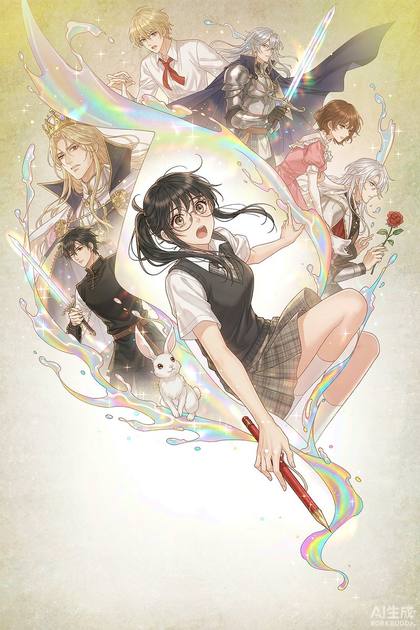
The setup is a standard transported-into-a-novel premise, and the manhwa is honest about that. The heroine is reborn as the beautiful daughter of a rich family and immediately learns the worst detail: the plot refuses to let her escape the handsome duke who is fated to kill her. Run, hide, or romance someone else, and the story drags her back. The Korean title roughly means anyone can beat the original, which tells you the tone.
What the book does unusually well is the male lead. He is written as someone who reconsiders his own behaviour rather than someone who needs convincing, and the pair talk to each other instead of manufacturing misunderstandings, which readers consistently single out because the genre runs on exactly the opposite. The relationship is the reason people stay.
The complaint is pacing rather than character. Reviewers describe the same obstacle arriving repeatedly, each time resolving without moving the larger situation, and one reader who otherwise praised the leads dropped it around chapter thirty five for exactly that reason. Consensus scores land in the middle rather than at either end. Readers who want a gentle romance with a considerate lead will get what they came for; readers who need the plot to advance every few chapters should expect to be patient.
Editorial Discussion
The disagreement is about whether good character writing excuses a stalled plot. Supporters argue that a romance is carried by the two people in it, that this pair communicates better than almost anyone else in the genre, and that the male lead's growth is the actual story rather than a subplot. Critics answer that watching two reasonable adults be sensible is not conflict, that repeating the same obstacle teaches the reader it will always resolve, and that the tense chapters stop being tense once the pattern is visible.
Related reading
- Who's That Girl? Is on Hiatus After Season 1: Worth Starting Anyway?
- Is Streaming My Second Life a Manga or a Manhwa? The Tower Answer
- There's No Such Thing as a Bad Lady: Novel Done, Webtoon Far Behind
- Became the Lout First Prince: A Sentient Sword and Its Warnings
- Doctor Elise Ending Explained: Why the Finale Satisfies and Frustrates
- Barbarian's Adventure in a Fantasy World: Why Readers Split on Ketal